





1. How Do Cat Eye Colors Form?
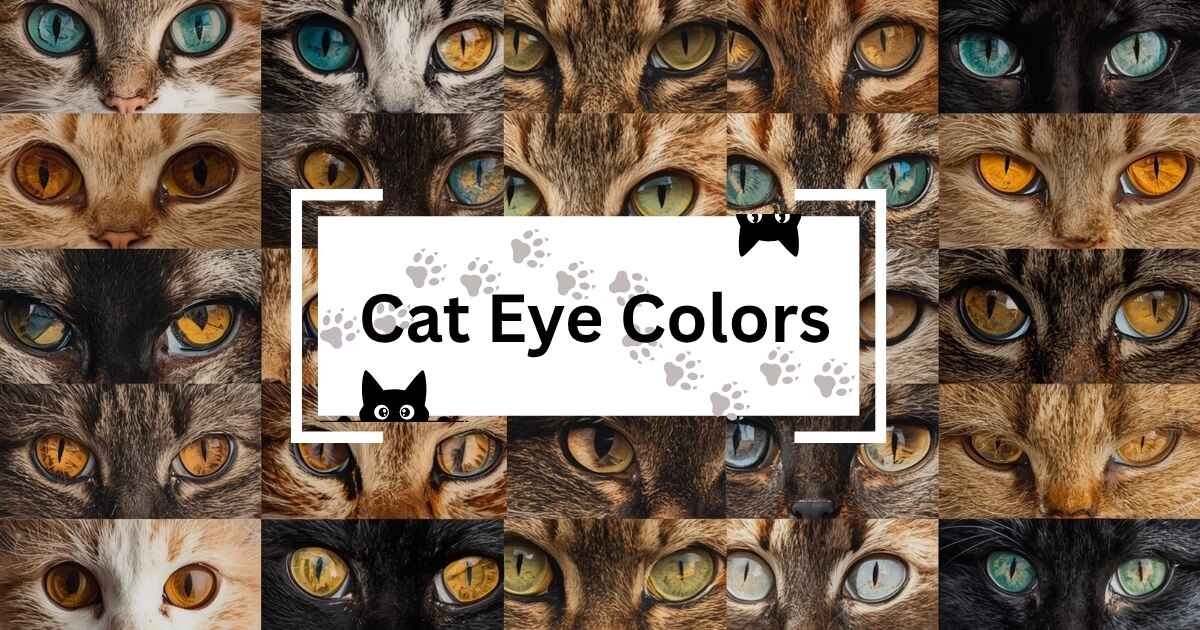
Cats’ eyes come in all kinds of mesmerizing colors, from bright greens to deep ambers and cool blues. But have you ever wondered why a cat’s eyes look the way they do? Let’s break it down.
Melanin: The Secret Behind Cat Eye Colors
At the heart of cat eye colors lies melanin, the pigment responsible for coloring everything from their skin and fur to their eyes. The more melanin in a cat’s eyes, the darker the eye color will be. For instance, darker shades like yellow, amber, and green have more melanin, while lighter colors like blue have less. Melanin exists in two main types: eumelanin (dark pigment) and pheomelanin (light pigment). The combination of these two types creates the beautiful range of cat eye colors we see.
Genetics and Inheritance of Eye Color
A cat’s eye color is primarily determined by genetics. Just like fur color, the genes inherited from a cat’s parents play a big role in the final color of their eyes. Such genes manage the melanin production and its distribution in the iris. Some breeds may have specific genetic traits that lead to rare or unique cat eye colors.
When Do Cats Eyes Change Color?
Many people wonder, “When do cats’ eyes change color?” Kittens are born with blue eyes, but their eyes are not permanently blue. As they grow, the iris (the colored part of their eyes) starts to produce melanin. This is why kittens typically have blue eyes at birth, but the color gradually changes. The exact time frame for this change is around 7 to 12 weeks of age, so when does kitten eye color change? The change typically starts at 2 months old and is fully developed by 3 to 4 months.
2. 7 Types of Cat Eye Colors
Now that we understand how cat eye colors form, let’s take a look at the seven most common and fascinating cat eye colors and what makes them so special.
1. Yellow Cat Eye Color
Rarity: 2/10
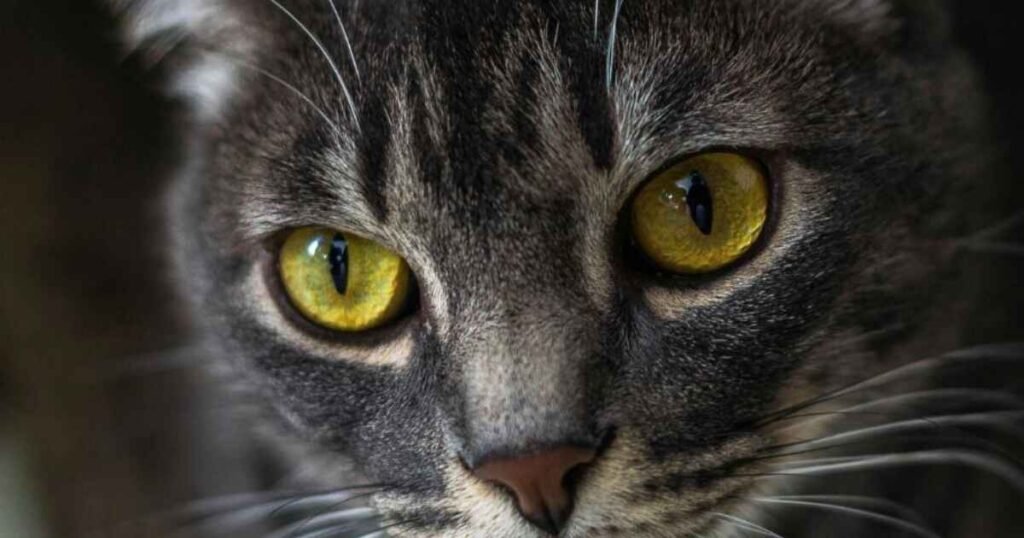
Yellow is typically the most ordinary eye color among cats. This color ranges from light gold to a rich amber hue. The yellow cat eye color is caused by moderate levels of melanin in the iris, creating a warm and glowing appearance. American Shorthair and the Persian are the ones that usually have stunning yellow eyes.
2. Green Cat Eye Color
Rarity: 4-5/10
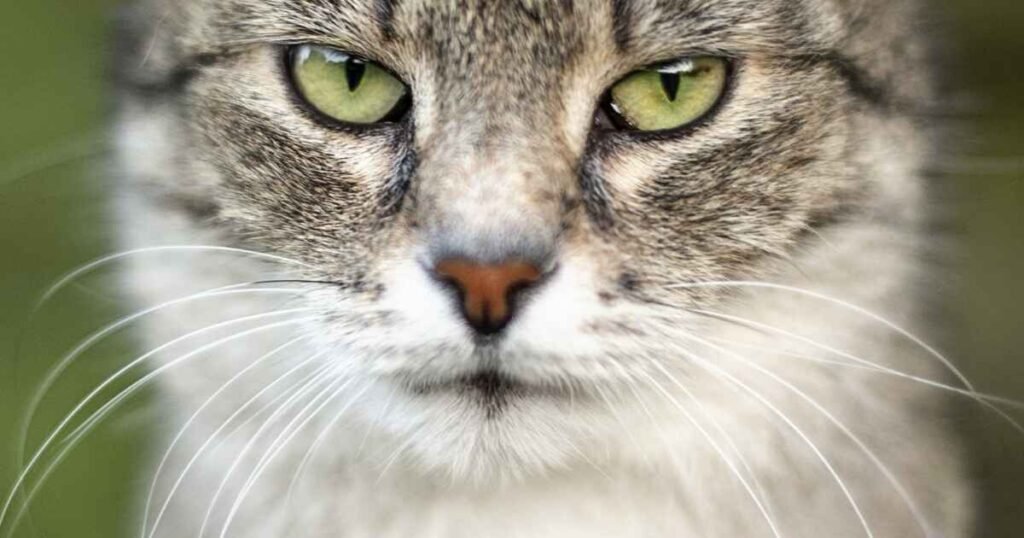
Green cat eye color is both striking and elegant. From pale green to deep emerald, this eye color is a result of light scattering and moderate melanin production. A large number of cats, particularly those with light-colored furs like the Russian Blue and Turkish Van, are the lucky ones to have such bright eyes. The green cat eye color often gives cats a mysterious and captivating gaze.
3. Amber Cat Eye Color
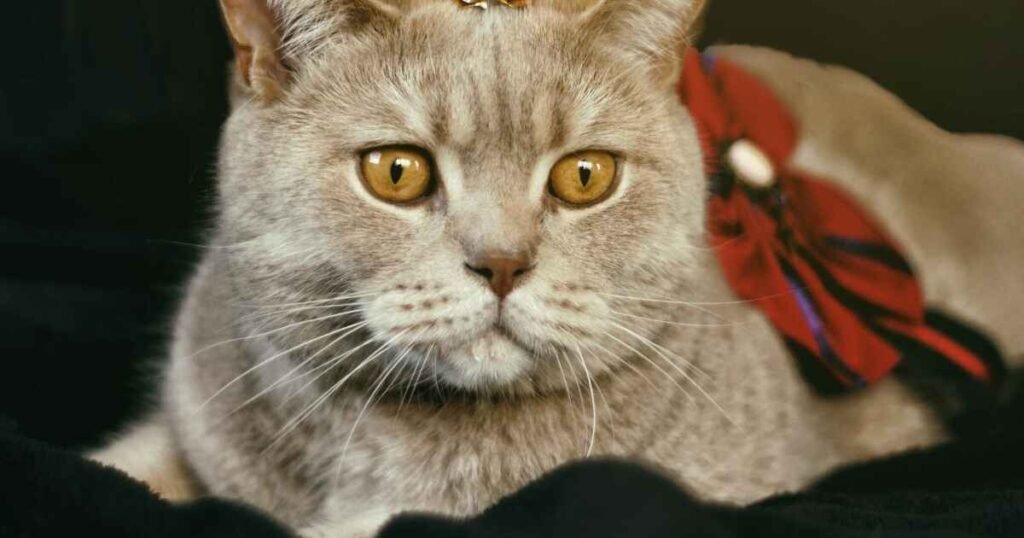
Rarity: 3/10
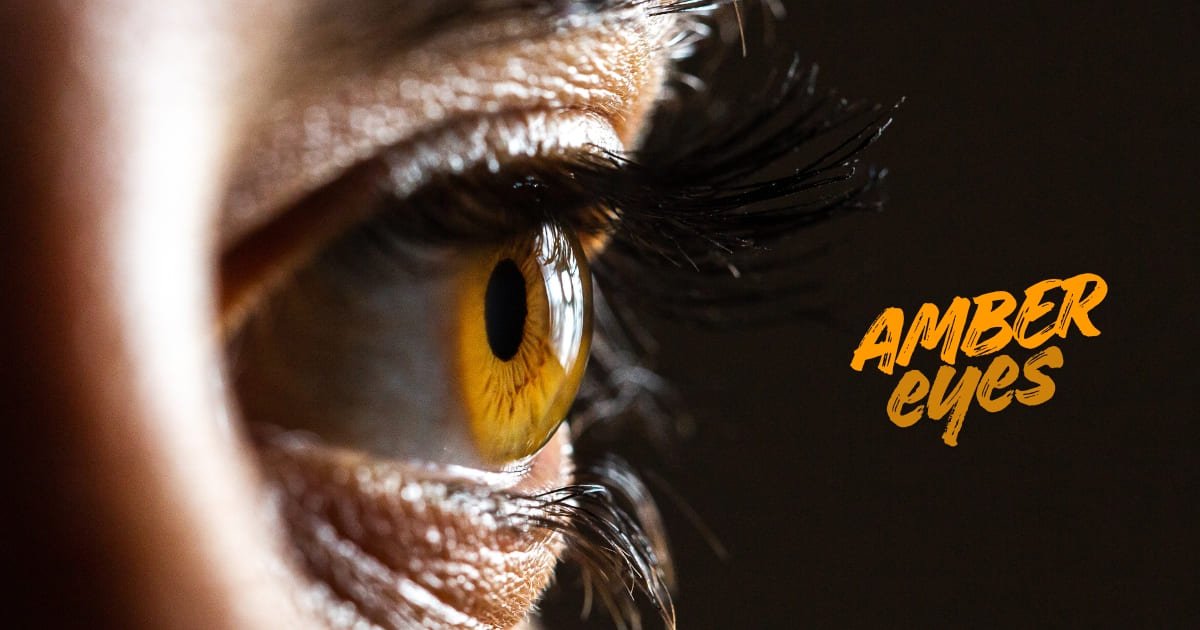
Amber cat eye color has a rich golden-orange tint. It is often seen in darker-colored breeds like the Siamese and Burmese. The amber hue is produced by a higher level of melanin and pheomelanin. If you see a cat with amber eyes, you are looking at one of the most beautiful and intense eye colors in the cat world.
4. Blue Cat Eye Color
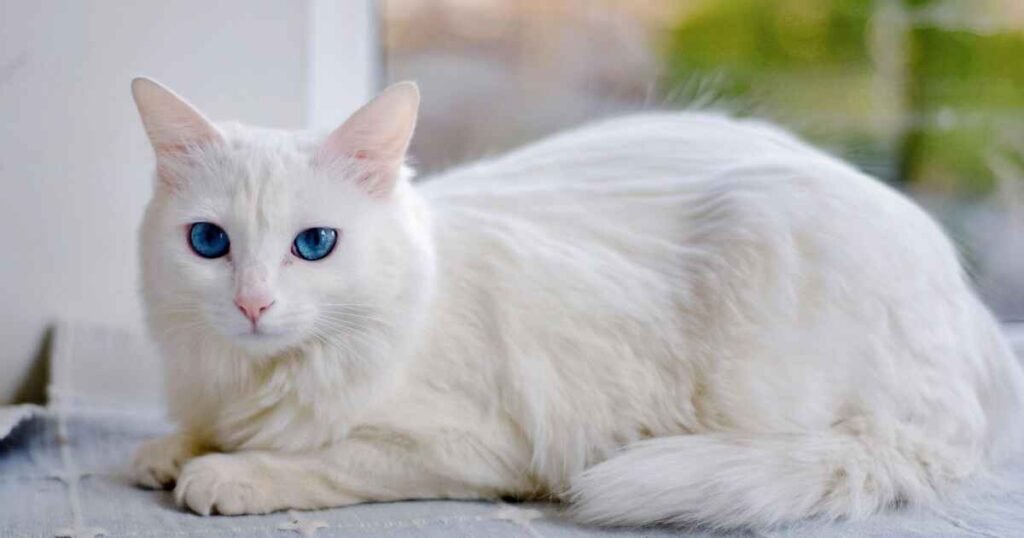
Rarity: 7-8/10
The iconic blue cat eye color is often seen in kittens. Kittens usually come with blue eyes at their birth because nothing has been developed yet in their irises such as a melanin layer. Blue eyes are a hallmark of certain breeds like the Siamese, Birman, and Ragdoll, where the blue eyes persist into adulthood. The cat eye color change from blue to another shade happens when melanin starts to build up in the iris, but some cats retain their blue eyes throughout their lives.
5. Orange Cat Eye Color
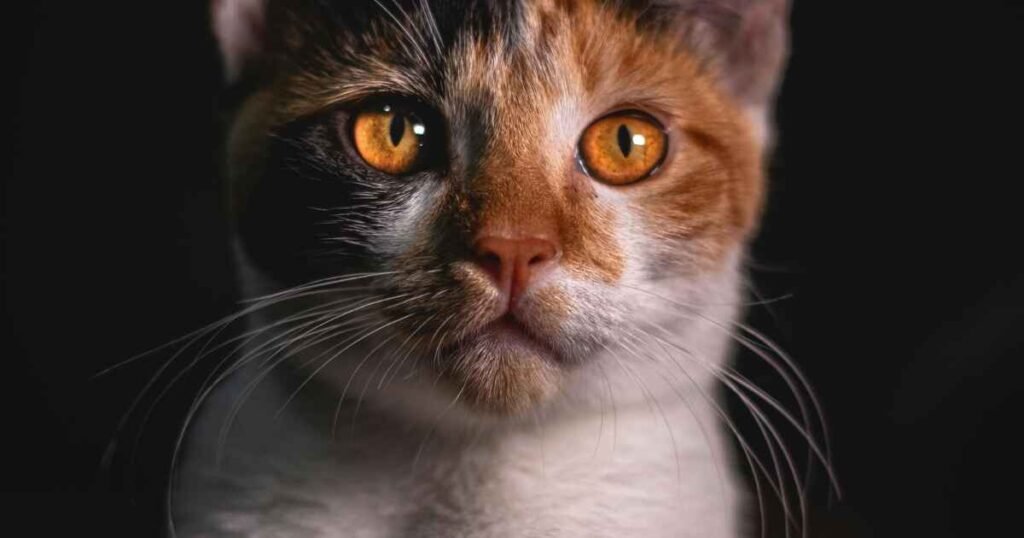
Rarity: 6/10
Orange cat eye color is rare but stunning. Often seen in breeds like the Turkish Van, this color is created by a high concentration of yellow pigments in the iris. Orange cat eye color tends to be vivid and bright, making these cats stand out with their eye-catching appearance. While not common, the orange cat eye color is certainly one of the most beautiful and unique.
6. Copper Cat Eye Color

Rarity: 8/10
The copper cat eye color is a warm, reddish-orange hue found in cats like the Persian. Copper eyes are the result of a large amount of pheomelanin in the iris, which makes the eyes look vibrant and deep. The black cat eye color can also include copper tones, adding a dramatic contrast to their dark fur.
7. Heterochromia (Two Different Eye Colors)
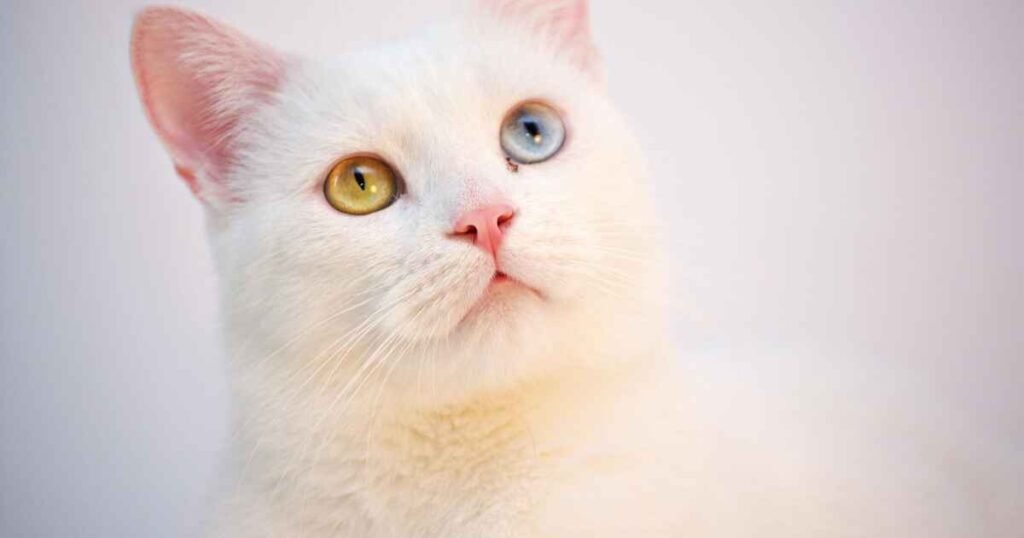
Rarity: 9.5/10
Heterochromia is one of the most attracted cat eye colors and it is when a cat has two different colored eyes. For instance, an eye could be blue while another could be green, amber, or yellow. This uncommon condition can be found sometimes in breeds such as the Turkish Van and Korean Bobtail. The condition is inherited and thereby making the cats with heterochromia extremely different from the others.
3. When Do Cats’ Eyes Change Color?
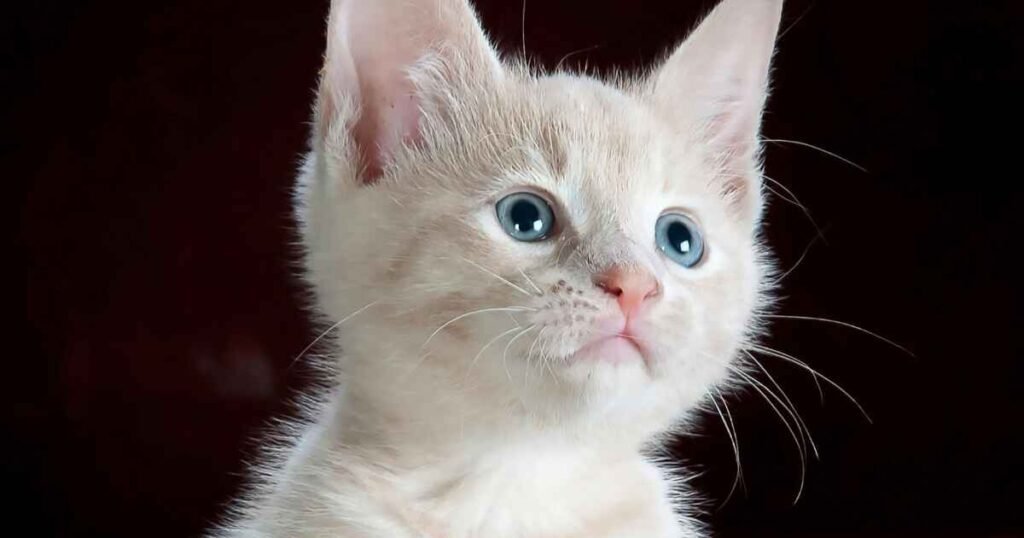
As mentioned earlier, kittens are born with blue eyes, but as they grow, the amount of melanin in their irises increases. This is the period of cat eye color change. So, when do cats’ eyes change color? The whole thing begins at about 7 weeks old and lasts until 3-4 months, which is the time when their permanent eye color is decided. The blue eyes slowly move toward their final color during this time, whether it is a common yellow or green or something not so common, like copper or amber, which is even rarer.
4. Orange Cat Eye Color: A Rare and Stunning Hue
If you’ve ever seen a cat with orange cat eye color, you’ll agree it’s a captivating sight. The orange cat eye color is mainly seen in breeds such as the Turkish Van and Persian, where it is passed down genetically. A large quantity of yellow pigment in the iris produces the orange cat eye color, giving the eyes a vivid and shining look. The orange cat eye color is one of the most unforgettable traits in the cat kingdom, though it is rare.
5. Black Cat Eye Color
There are more black cat eye colors than you might think. Kittens with all-black fur might be imagined to have only one kind of eye color, but actually, they can be of different colors in various shades. Black cats may have yellow, green, amber, and copper colored eyes. These eye colors are contrasting to their black fur and, hence, somehow, increase the mystery and the beauty of black cats. Black cat eye color usually attracts the eyes because of the striking difference between their dark fur and bright eyes.
6. How Eye Color Relates to Cat Behavior
There are various myths about how cat eye color can work as a behavioral indicator (for instance, blue-eyed cats are thought to be more peaceful and amber-eyed cats more active), but still no scientific research has confirmed these theories. The nature of a cat depends on its genes and the environment in which it lives, so eye color does not play a role in that. So, while cat eye colors may give us clues about their looks, they don’t directly tell us about their behavior.
7. Eye Color and Health Indicators
Although cat eye color does not directly relate to health, changes in eye color can sometimes signal underlying health problems. For example, if the eyes of a cat turn cloudy overnight or there is a change in the cat’s eye color (for example, it changes from blue to yellow), it may be due to a condition like glaucoma, cataracts, or liver disease. In order to keep the cat’s eyes healthy and to detect problems early, regular veterinary check-ups and eye check-ups are necessary.
8. Can Eye Color Affect a Cat’s Vision?
The short answer is no—cat eye color doesn’t affect vision. Cats with all colors of eyes, namely yellow, blue, or amber, have superb night vision. However, lighter eyes, like blue or green, may make cats more sensitive to bright light. On the other hand, darker eye colors, such as amber or yellow, may offer better protection from glare.
9. How to Care for Your Cat’s Eyes
To maintain your cat’s eye health, you must make sure that they are living in a clean environment and also supply them with a balanced diet. Regularly check for signs of irritation or infection, such as excessive tearing, squinting, or discharge. If you notice anything unusual in their eyes or eye color, it’s best to consult a veterinarian. Caring for your cat’s eyes helps them enjoy their stunning cat eye color for years to come.
10. Conclusion
Cat eye colors are more than just a beautiful feature—they’re a fascinating aspect of feline biology. From common colors like yellow and green to rarer hues like orange and blue, each cat’s eyes are a unique part of their identity. The cat eye color change process is a natural part of growing up, and understanding it helps us appreciate the diversity in our feline companions. Whether you’re fascinated by black cat eye color or mesmerized by orange cat eye color, every cat eye color tells a unique story.
11. FAQs
- When does kitten eye color change? or when do cats eyes change color?
Yes, kittens are born with blue eyes, but their eye color will change as they grow, typically by 3 to 4 months of age. - Why do some cats have one blue eye and one green eye?
This is called heterochromia, where a cat has two different colored eyes. It’s due to a genetic variation and is more common in certain breeds like the Turkish Van. - Is a particular eye color linked to a cat’s health?
While cat eye colors themselves don’t affect health, changes in eye color can sometimes be a sign of health issues such as glaucoma or liver disease. - Do eye colors vary based on the cat’s age or breed?
Yes, different breeds have characteristic cat eye colors. For example, Siamese cats are known for their blue eyes, while Persian cats often have amber or copper eyes. Eye color can also change as a cat matures.
For more blogs, visit our site daily life ways.