





Amber eyes are one of the most rare and captivating features found in both humans and animals. The bright and warm colors of amber eyes attract everybody’s attention almost immediately, which makes them one of the most desired and oddest eye colors. However, the question remains: what is it that makes amber eyes so special? What is the reason for their rarity, and how do they compare to other eye colors? This article aims to shed light on amber eyes, their color makeup, and scarcity, and even their cultural importance.
1. What Are Amber Eyes?
1.1. Amber Eyes Color
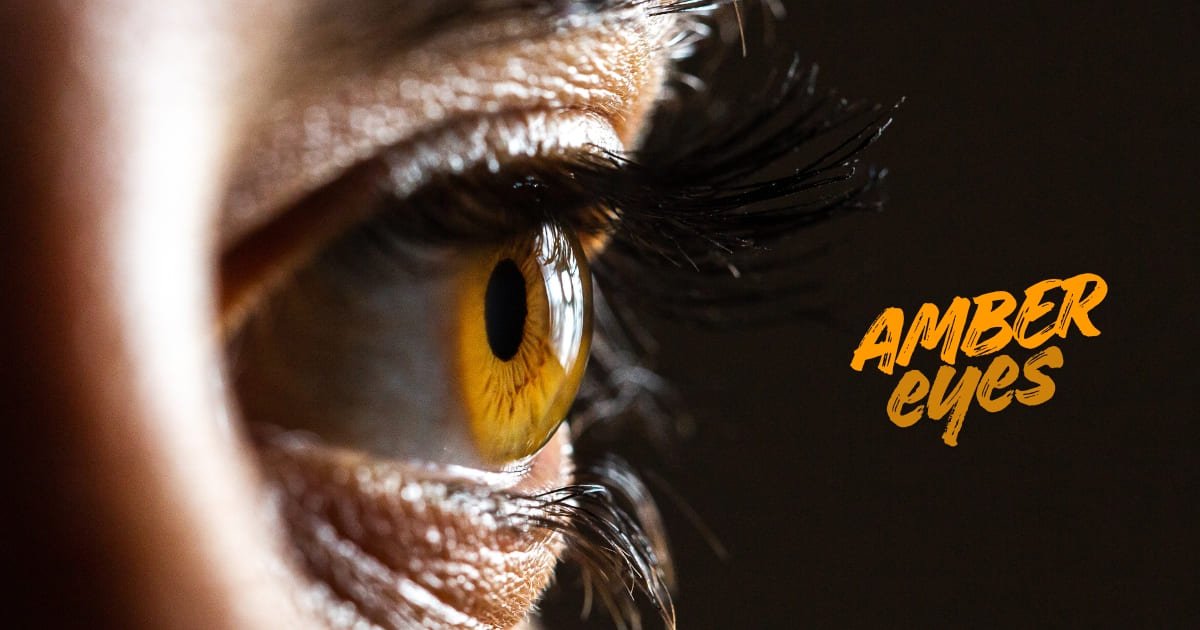
Amber eyes are characterized by their warm, golden-yellow or copper hues, which set them apart from the more common eye colors like brown, blue, or green. The characteristic of amber eye color is the completely golden glow, which makes them different from hazel eyes, the latter being a combination of brown and green. People with amber colored eyes often have a vibrant, mesmerizing gaze that seems to shimmer in different lights. Depending on the lighting, amber eyes color can appear either brighter or darker, making them a truly dynamic and stunning feature.
1.2. Pigments Responsible
The color of the eyes is determined by the amount and type of pigment in the iris. There are two primary pigments responsible for eye color:
- Melanin: A dark pigment found in the iris, responsible for darker eye colors like brown and black.
- Lipochrome: The pigment responsible for lighter eye colors, such as yellow, green, and amber.
In the case of amber-colored eyes, a large amount of lipochrome and a small quantity of melanin coexist in the iris. The higher the lipochrome content in the iris, the more likely it is to be the source of the lovely, golden tint seen in amber-colored eyes. This particular pigment mixture is what gives amber-colored eyes their uniqueness and beauty
1.3. How Amber Eyes Appear
The appearance of amber eyes is what makes them so special. Unlike other eye colors, amber eye color remains consistent in its golden or copper tone, even under different lighting conditions. In the sunlight, amber eyes may appear more vibrant and golden, while in dimmer environments, they may take on a deeper, reddish hue. The richness of amber colored eyes gives them a mysterious and warm appearance that is hard to miss.
2. How Rare Are Amber Eyes?
2.1. Amber Eyes in Humans

Amber eyes are thought to be a very unusual eye color in humans. The number of people worldwide who have amber-colored eyes is extremely small which makes this trait very popular and exceptional at the same time. Amber eyes are rare compared to brown and blue eyes which are the most prevalent colors of eyes around the world. As a matter of fact, just how rare are amber eyes? Based on statistics, merely around 5% of people have a certain kind of amber eyes. This rarity makes them stand out and adds to their appeal.
2.2. Amber Eyes in Animals

Amber-colored eyes in humans are indeed rare, but they are more common in certain animals. Many species of cats, such as the Bengal and Persian breeds, often have amber colored eyes. Similarly, wild animals like wolves, foxes, and birds of prey can also have amber eyes color. The prevalence of amber colored eyes in animals suggests that it may offer some evolutionary advantages, such as heightened vision or better camouflage in certain environments.
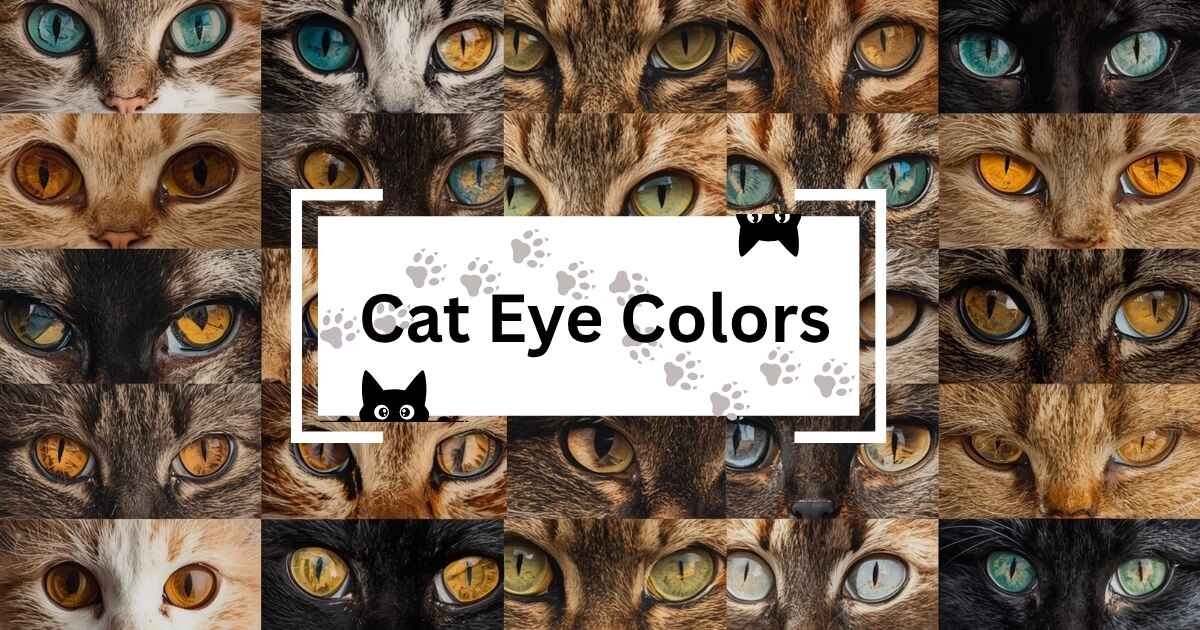
Cat are colors are known for their wide range of eye colors, including green, blue, orange, amber and others. The color depends on the amount of melanin in their irises, with lighter eyes having less melanin. Amber eyes, in particular, are striking and common in breeds like Bengal and Persian cats. These vivid eyes enhance the mysterious and captivating look of cats.
2.3. Why Amber Eyes Are Rare
Amber-colored irises are considered rare because the specific genetic factors needed to generate them are not common. The genes that are involved in the amber eye color are recessive, which means that both parents have to possess the gene of the amber eye color trait for it to be inherited. These recessive traits are less likely to occur in communities where amber eyes are not very common. As a result, the human population with the amber eyes is still small and distinctive, which also makes the trait more attractive and mysterious.
3. The Science Behind Amber Eyes
3.1. Melanin vs. Lipochrome
Eye color that is amber is due to the presence of pigments melanin and lipochrome in the iris. Melanin gives the darkest hues such as brown, whereas lipochrome is the chief pigment that produces rosy shades of amber-colored eyes. The situation is such that more lipochrome and less melanin in the iris makes the eyes look gold or coppery, thus producing the gorgeous amber eye color. The balance between these pigments is what gives amber eyes their distinctive, warm hue.
3.2. Genetic Inheritance of Amber Eyes
Eye color is a genetically inherited trait, and amber eyes are no exception. The genes responsible for amber eyes color come from both parents, and these genes affect how much melanin and lipochrome are present in the iris. Because amber colored eyes are a recessive trait, both parents must carry the gene for amber eyes color for their child to inherit this unique eye color. This explains why amber eyes are so rare and why they are often considered a genetic treasure.
4. Can Amber Eyes Change Over Time?
4.1. Age-Related Changes
Just like any other color of the eyes, the amber ones can also change through the years. Newborns usually have the lightest eye colors, like blue or gray, which are then allowed to darken as the babies grow up. With the increase in melanin, the eyes can be transformed to amber color or darker shades. Gradually, the intensity of the amber eye color may increase or even change a bit in hue as a person gets older.
4.2. Environmental Influences
The environment can also have an effect on the presentation of amber eyes. The lighting is a major factor that determines the look of amber eyes. In full sunlight, the color of the amber eyes can be perceived as lighter, more vivid, and more vibrant, whereas in dark situations, it can be barely seen and often looks like it has a copper or reddish hue. This very characteristic of amber-colored eyes, the dynamism makes them more attractive.
4.3. Natural Color Variations
The natural occurrences of slight variations in the intensity or hue of amber eyes are not uncommon. Health, stress, or hormonal fluctuations may be responsible for the variations that occur in amber eye color. Though these changes are mostly short-lived, they still play a role in the distinctive and constantly changing character of amber-eyed individuals.
5. What Makes Amber Eyes Special?
5.1. Visual Appeal
The catching aspect of amber eyes is primarily their exciting visual charm. The combination of gold, copper and honey tint makes the amber eyes very noticeable. The way light interacts with amber eyes color creates a luminous, almost glowing effect, which draws attention and leaves a lasting impression. Those with amber eyes usually notice that their eyes are the center of attraction in their overall look because of the unique and bright color.
5.2. Symbolic Significance
Across various cultures, amber-colored eyes have symbolic meanings.In most of the traditions, amber eyes are signs of wisdom, intuition, and great nature connection. Usually, the individuals with amber eyes are seen as spiritually more aware or having a better understanding of the world around them. The whole cultural association with mysticism enhances the charm and profundity of amber-colored eyes.
5.3. Amber Eyes in Mythology and Folklore
Throughout history, amber eyes have been associated with mythical beings and supernatural powers. In folklore, characters with amber eyes are often depicted as seers or individuals with the ability to tap into mystical realms. Whether in stories or modern media, amber eyes color has long been linked to characters with extraordinary abilities, further cementing their status as a symbol of power and mystery.
6. Are Amber Eyes Rare?
6.1. Amber Eyes vs. Other Eye Colors
Amber colored eyes are one of the rarest eye colors when compared to others. Brown is the dominant color, followed by blue and green, but amber is a very rare color. The rarity of this eye color thus adds on to its already existing exceptional quality, making the holders of such eye color often find it as a reason for their prominence in a crowd.
6.2. Amber Eyes and Genetic Traits
The genes that produce amber-colored eyes also play a major role in making them rare. As amber is a recessive trait, it means that both parents should possess the gene for amber eye color in order for their offspring to inherit this rare characteristic. This genetic rarity makes amber eyes even more special, as only a few people possess this trait.
6.3. The Unique Genetics Behind Amber Eyes
The genetic combination responsible for amber eye color requires the activation of different genes that control the production of melanin and lipochrome. Such genetic makeup is rare, and hence, amber eye color is also rare and precious. The exceptional genetics related to amber eyes are one of the most interesting aspects of human appearance.
7. Famous People and Fictional Characters with Amber Eyes
7.1. Celebrities with Amber Eyes
Amber eyes are the stunning and exceptional eye color of many famous personalities like Beyoncé, Orlando Bloom, and Megan Fox. Their amber-colored eyes are one of the main attractions contributing to their unusual appearance, and more often than not, they become the most talked-about features when the celebs are spotted in public.
7.2. Fictional Characters with Amber Eyes
In books and movies, amber-colored eyes are usually signifying the presence of magic or supernatural forces. For instance, the character Edward Cullen from the Twilight series is one of the most recognizable vampires with his amber-colored eyes, which highlight his vampiric nature. These representations add to the enchantment and allure of such eyes, thus continuing the trend of associating them with the magic and mystery of the likes in the popular culture.
7.3. Amber Eyes in Popular Culture
Characters with mystical or supernatural powers are often associated with amber eye color. The myth of wonder around this rare eye color is enhanced by the fact that in popular media the people with amber eyes are often depicted as wise, strong, or magical.
8. Common Questions about Amber Eyes (FAQs)
What Color Are Amber Eyes?
Amber eyes are a golden, honey, or copper color, giving them a warm, glowing appearance that makes them stand out.
Are Amber Eyes More Common in Certain Populations?
Amber eyes color is more commonly found in populations from East Asia, South America, and some parts of Europe, although they remain rare.
Can Amber Eyes Change Color?
Yes, amber eyes can change slightly depending on lighting, mood, or age. They may appear lighter or darker under different conditions.
What Does It Mean to Have Amber Eyes?
In many cultures, amber-colored eyes are considered a sign of wisdom, mystery, and connection to the natural world, often thought to symbolize spiritual insight.
Conclusion
Amber eyes are one of the rarest and most captivating eye colors, characterized by their golden and copper hues that seem to glow with an elegant light. Whether in humans or animals, amber eyes color remains a stunning and unique feature that is both mesmerizing and mysterious. Their rarity, genetic makeup, and cultural symbolism make amber eyes a fascinating subject, celebrated for their beauty and the sense of power they convey.